Wandernest
Nagaland a captivating state tucked in India’s Northeast India, known for its rich tribal heritage, scenic views, and vibrant cultural festivals. In this blog, we will take you through a Nagaland itinerary covering the top 7 places to visit in Nagaland, which are perfect for your next adventurous trip. Whether you’re looking for hidden gems or popular Nagaland tourist attractions, this post will guide you through your entire journey.
The Naga Hills go on to merge with the mountains of Patkai in Myanmar. The state is criscrossed with a network of pristine rivers and stream carving their way through steep gorges, nurturing an vibrant ecosystem.
The term ‘Naga’ was originally an arbitrary term to refer to the people living in certain parts of the Assam-Burma hills. Today, Naga tribes and sub tribes reside not only in Nagaland but also in the neighbouring states of Manipur, Assam and Arunachal Pradesh. Nagaland itself is home to over seventeen officially recognized tribes and more than 100 sub-tribes, each with their own unique customs, traditions and beliefs.
Nagaland’s history is one of resilience and strength. Its people have endured conquests, foreign rule, and internal strife over centuries. Despite these challenges, the people of Nagaland have maintained their unique culture and identity that they celebrate and share with utmost honour and pride with the world.
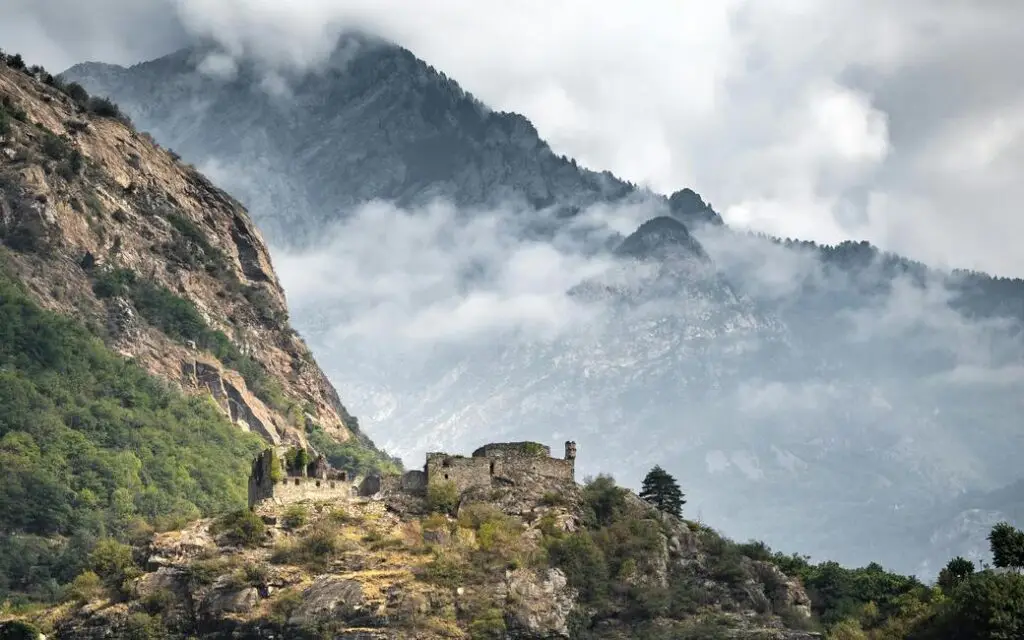
Table of Contents
ToggleDay 1-2: Kohima – The Cultural Capital of Nagaland
Kohima is just not the administrative capital but it’s the cultural heart of Nagaland and the ideal starting point for your journey. With its historical importance and cultural richness, it ranks amongst the most popular Nagaland tourist attractions.
Unfurl a map of India and trace your finger along the eastern edge. In the verdant embrace of the Eastern Himalayas, you’ll find Kohima, the capital city of Nagaland. Imagine a place where emerald valleys sing the tales of the past, where history etches itself onto weathered monuments, and the air thrums with the echoes of a valiant past. This is Kohima, a captivating harmony where nature’s beautiful mosaic synchronises with the enduring spirit of the Naga tribes. Here, ancient traditions resonate with modern life, and every encounter unveils a captivating story waiting to be discovered.
Must-Visit Places in Kohima:
- Kohima War Cemetery: A beautifully maintained site dedicated to soldiers of World War II.
- Nagaland State Museum: Learn about Naga tribes, clothing, weapons, and crafts.
- Kisama Heritage Village: Home to the famous Hornbill Festival held every December.
- Catholic Cathedral: The largest cathedral in Northeast India, known for its unique Japanese architecture.
Tip: If you’re visiting in December, plan around the Hornbill Festival—a cultural explosion of tribal dance, music, food, and art.
Hornbill Festival – A Highlight of the season
Conceptualised in the year 2000, the Hornbill Festival is a ten day annual tourism promotional event organised by the State Government to showcase Nagaland’s rich and traditional cultural heritage in all its ethnicity, diversity and grandeur. Dubbed as the “Festival of Festivals” this event provides a unique platform for visitors to witness not only the Naga cultural diversity converged at one venue but also the states of North East India as a means of cultural exchange, while adventure, sports, art, handicraft, fashion, music, literature, etc also come as part of the special package.
It is held annually in early December at Kisama Heritage Village near Kohima, the Hornbill Festival—“Festival of Festivals”—is Nagaland’s grand cultural extravaganza, featuring tribal dances, music, sports, arts, and cuisine
Day 3: Dzükou Valley –The valley of flowers and Paradise for Trekkers
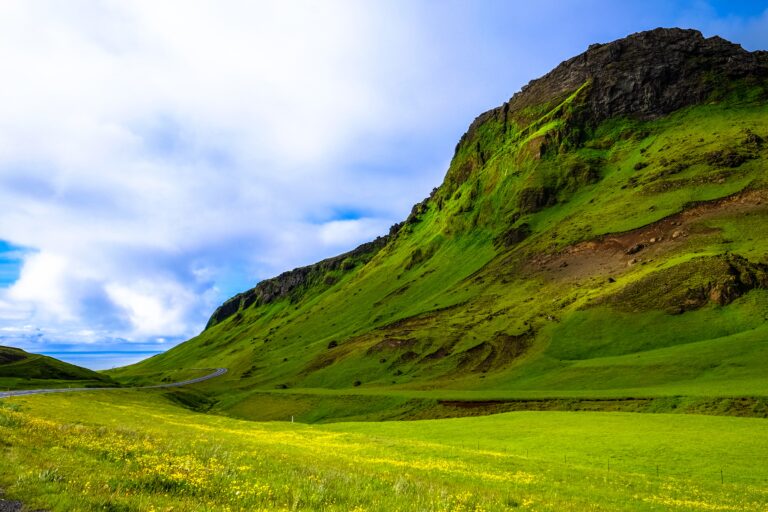
Dzukou Valley is an ideal getaway for those seeking peace and seclusion. The valley’s breathtaking natural beauty, diverse flora and fauna, and cultural richness make it an unforgettable destination. The trek to the valley is challenging, but the valley offers a range of accommodation options and activities that cater to all ages and interests. A visit to Dzukou Valley is an excellent way to reconnect with nature, explore the rich culture of the region, and make memories that will last a lifetime.
Dzukou Valley is often compared to the “Switzerland of the East” and is an idyllic locale for camping, photography, birdwatching (look out for Blyth’s tragopan), and night skies studded with stars.
Next on your intriguing itinerary is Dzükou Valley, located on the border of Nagaland and Manipur. It’s one of the most picturesque Nagaland tourism places, famous for its seasonal wildflowers and pristine landscapes.
Highlights:
- Trek through beautiful bamboo forests and rocky terrains.
- Camp overnight for starry night.
- Witness the rare Dzükou Lily (found only in this region).
How to Reach: Start from Kohima early morning and take a shared cab or private vehicle to Viswema or Zakhama (base villages for the trek).
Recommended Stay: Overnight camping in the valley.
Day 4: Khonoma – Asia’s First Green Village
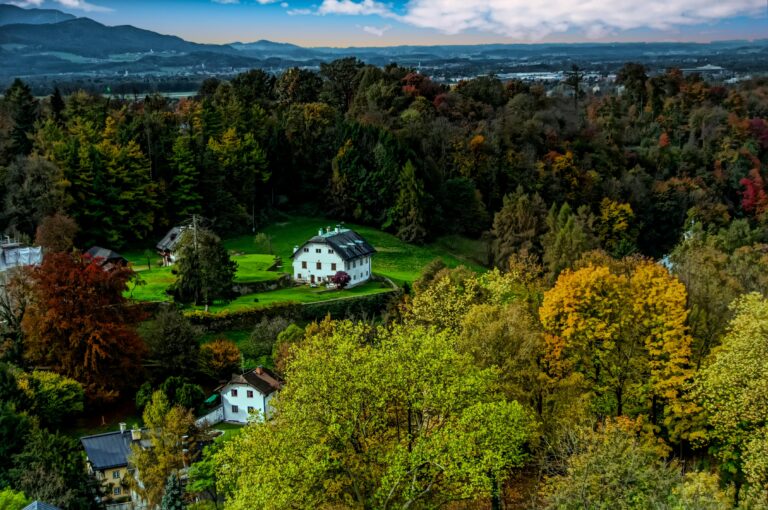
Just 20 km distant from Kohima, Khonoma is one of the peaceful villages known for eco-friendly tourism and community-led forest conservation. This village is among the most sustainable Nagaland tourist spots, offering authentic experiences.
Khonoma is also known for its initiatives in wildlife conservation. In 1998, the Khonoma Nature Conservation and Tragopan Sanctuary (KNCTS) was set up to protect the endangered Blyth’s Tragopan and other wildlife and rare plant species in their natural habitat. Over the last two decades, bird enthusiasts from around the world have come to Khonoma just to spend their days listening to the call of the birds and watching them.
Things to Do in Khonoma:
- Explore Angami tribal lifestyle and heritage homes.
- Walk through organic terraced farms.
- Try traditional Naga cuisine with a host family.
- Visit the Nature Conservation and Eco-Tourism Committee (NCETC).
Pro Tip: Take a stay at some local homestay for an immersive cultural experience.
Day 5-6: Mokokchung – Home of the Ao Tribe
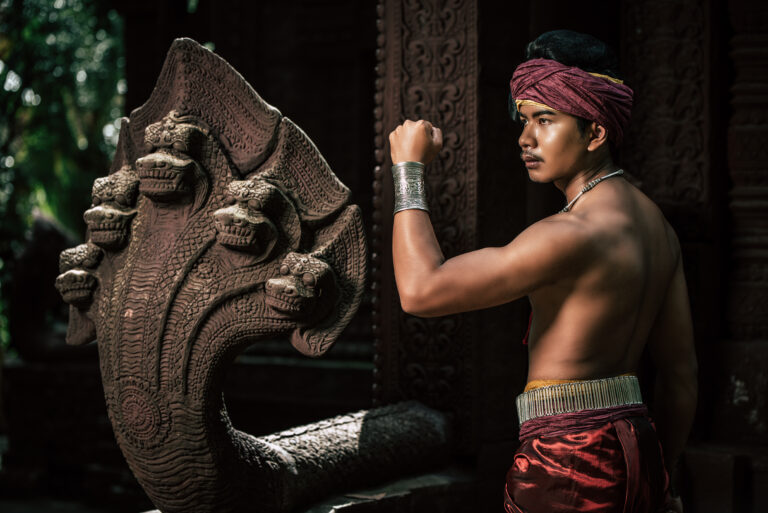
Often called the “Cultural Capital of Nagaland,” Mokokchung is known for its intellectual and artistic contributions to the state.
During the British Rule of India the Mokokchung area was part of the Naga Hills District of Assam. The Mokokchung subdivision of Naga Hills District was created in 1889, and it remained so following India independence in 1947. Naga Hills District remained as a district of Assam until 1957, when it and Tuensang Frontier Division of the North-East Frontier Agency (now Arunachal Pradesh) were joined to form the centrally governed Naga Hills Tuensang Area.
At that point Mokokchung sub-division became a district, one of three alongside Kohima and Tuensang districts. February 1961 saw the renaming of Naga Hills Tuensang Area to “Nagaland”, and in December 1963 Nagaland became the 16th state of India. Finally December 1973 saw the new districts of Zunheboto and Wokha carved out of Mokokchung, leaving the borders of Mokokchung district as they stand today. It’s a top destination among Nagaland tourism attractions for travelers interested in tribal traditions.
Top Attractions:
- Longkhum Village: Offers breathtaking cinematic views and sacred sites.
- Ungma Village: Oldest Ao village, rich in folklore and traditions.
- Mopungchuket Village: A model village known for its cleanliness, community libraries, and storytelling traditions.
Plan: Spend one day exploring Longkhum and Ungma, and dedicate the second to Mopungchuket with a traditional lunch.
Day 7-8: Mon – Land of Anghs
Located in the northernmost region of Nagaland, Mon is home to the Konyak tribe, known for their warrior traditions and tattooed faces. It’s one of the most intriguing places to visit in Nagaland.
Konyak village is divided into different sections called the Baan (pronounced Paan). The baan is like the ‘Morung’ of the other Naga tribes. Interestingly, the term Baan is also used to denote the traditional institution of learning young men learnt the of war, traditional arts and crafts, hunting, folk dances and songs, wrestling and other traditional games and sports. It also served as a centre for religious and social activities. Another place Ywo was also a centre of learning for women. Today the Ywo and Baan system are almost non-existent.
Festivals occupy an importance place in the lives of the Konyaks. The three most significant festivals were Aolingmonyu, Aonyimo and Laoun-ongmo.
Aolingmonyu is celebrated in the first week of April, celebrated after sowing of seeds and marks the beginning of a new year. Its religious significance is to appease (Kahwang/ Yongwan) God for a prosperous harvest.
The Aonyimo is celebrated in July or August with pomp and gaiety after the harvest of the first crops like — maize and vegetable. The Laoun-ongmo is a festival of thanksgiving and is celebrated after the completion of all agricultural activities.
The Konyaks are hospitable in nature, warm hearted and fond of merry-making. Elderly men indulge themselves with “Khalap” which is black tea and a kettle is always left in the fireplace for boiling black tea.
The Konyaks are skilled in the art of making firearms. They are also skilled in handicrafts like basket making, cane and bamboo works, brass works etc. Shangnyu and Chui have been declared as ethnic villages providing a rich educational research work for anthropologists. These two villages are ruled by the Chief Anghs. Traditional architecture and old sculptures provide historical background of the past of Konyaks and their culture and tradition.
Things to explore:
- Longwa Village: A unique village that straddles the India-Myanmar border. Some houses literally lie in two countries!
- Shangnyu Village: Visit the Angh (village chief), explore tribal wood carvings, and traditional houses.
- Konyak Culture: Witness handcrafted weapons, tribal attire, and rich storytelling.
Important: Travel time to Mon is long, so plan two full days and hire a knowledgeable local guide.
Day 9: Shilloi Lake – The Serene Mountain Lake
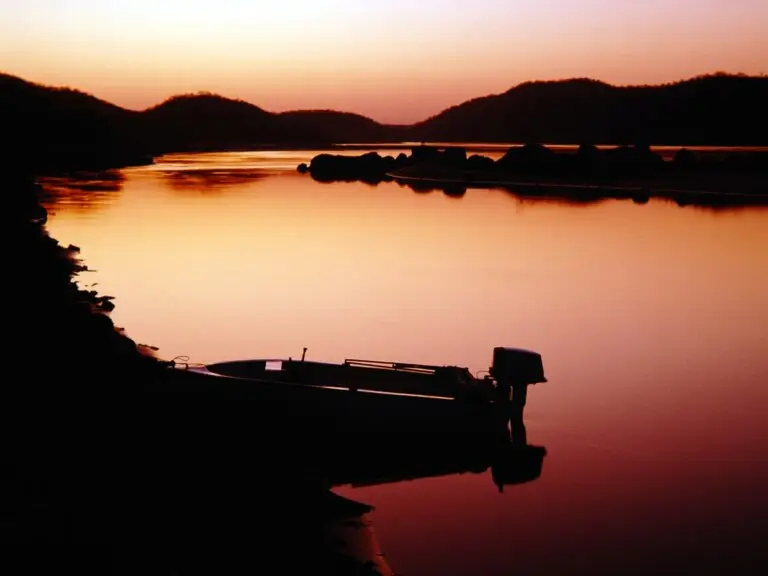
Head south to Phek District to visit Shilloi Lake, one of the most beautiful and peaceful Nagaland tourist spots. This heart-shaped natural lake is accompanied by lush forests and small villages. Shilloi Lake is an appealing tourist site in the district of Phek, Nagaland. It is located near the village of Lutsam and is surrounded by the hillocks of Patkai that enhance the beauty of this place. It is the largest natural lake in the entire Nagaland and is said to be holy.
According to a legend, this lake is the abode of the Queen of the Lake who took birth in a human form but went back to the lake before the age of one. The locals believe that the Queen of the Lake still rests in the lake and till date, no one has drowned in this lake. The aerial view of this lake makes it appear like a human footprint.
What to Do:
- Walk around the lake and photograph the reflections.
- Have a picnic with local snacks.
- Visit nearby Lüruri village for cultural interaction.
Best For: Nature lovers, families, and photography enthusiasts.
Day 10-11: Tuensang and Mount Saramati – The Roof of Nagaland
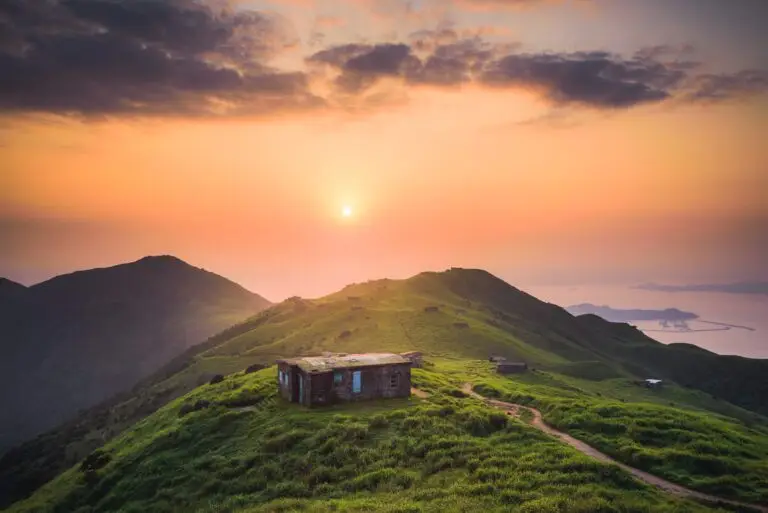
Your final stop is Tuensang, gateway to Mount Saramati—the highest peak in Nagaland at 3,826 meters. This area offers raw beauty and untouched tribal charm, ideal for offbeat travelers.
Saramati is a peak rising above the surrounding peaks at the mountainous border of Nagaland state and the Sagaing Region, Burma. It is located near Thanamir Village in the Kiphire District of Nagaland.
With a height of 3,826 m and a prominence of 2,885 m, Saramati is one of the ultra prominent peaks of Southeast Asia.
It is the abode of one of the Pristine Forest of Nagaland and house to the variety of flora and fauna.
Key Experiences:
- Mount Saramati Trek: Start from Pungro village and trek through rhododendron forests.
- Explore Noklak and Noksen villages to witness Yimchunger tribal customs.
Ideal For: Experienced enthusiastic trekkers and adventurers looking for less touristy Nagaland tourism places.
Why Visit These Nagaland Tourist Spots?
Each of these top 7 places to visit in Nagaland represents a unique facet of the state:
- From the organized bustle of Kohima to the raw mystery of Mon.
- From flower-filled valleys to cross-border villages.
- From eco-conscious hamlets to misty trekking trails.
Together, they offer a complete portrait of Nagaland tourism places—both well-known and lesser-explored.
Final expression of Places to visit in nagaland
Nagaland is not just a destination—it’s an experience that stays with you. This Nagaland itinerary helps you explore the best Nagaland tourist attractions while also embracing offbeat charm and tribal heritage. With this guide by Wandernest, you’re all set to discover the unexplored magic of India’s northeast.
Nagaland’s history is a remarkable story of resilience, cultural richness, and a persistent quest for identity and autonomy. From its early days of isolation and self-governance, through periods of conflict and cooperation with neighboring powers, to the tumultuous era of British colonization and the fight for independence, the Nagas have remained steadfast in preserving their heritage. The state’s journey through the modern era has been marked by both challenges and progress, with ongoing efforts towards peace and self-determination. Today, Nagaland’s rich history and vibrant culture continue to inspire resilience and unity among its people who continue to celebrate their unique traditions with pride and honour.
Wandernest is proudly powered by WordPress