Wandernest
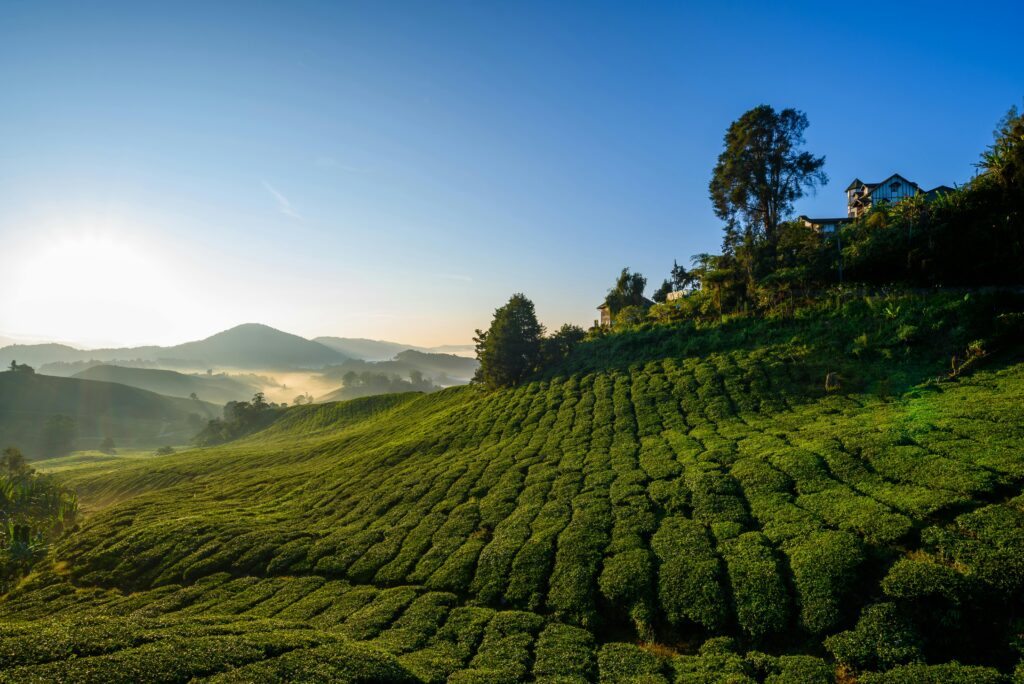
When we think of Assam, we often picture vast green tea estates stretching to the horizon, with mist rising over the Brahmaputra and women in colorful attire plucking tea leaves into bamboo baskets. While this is the image showcased in postcards and advertisements, the real essence of Assam’s tea culture lies deeper in the hidden tea villages.
These are small, lesser known settlements within tea estates, where generations of tea workers live, celebrate, and preserve traditions that outsiders rarely get to see. Exploring these tea villages provides not just a travel experience, but also an intimate look into Assam’s cultural and social fabric.
Table of Contents
ToggleThe Origins of Assam’s Tea Villages
- Tea was introduced to Assam by the British in the 1830s.
- Large numbers of workers were brought from central India and tribal communities to work on plantations.
- Over time, these workers settled in villages near tea estates, forming a distinct “Tea Tribe” community with unique languages, songs, and customs.
Daily Life in a Tea Village
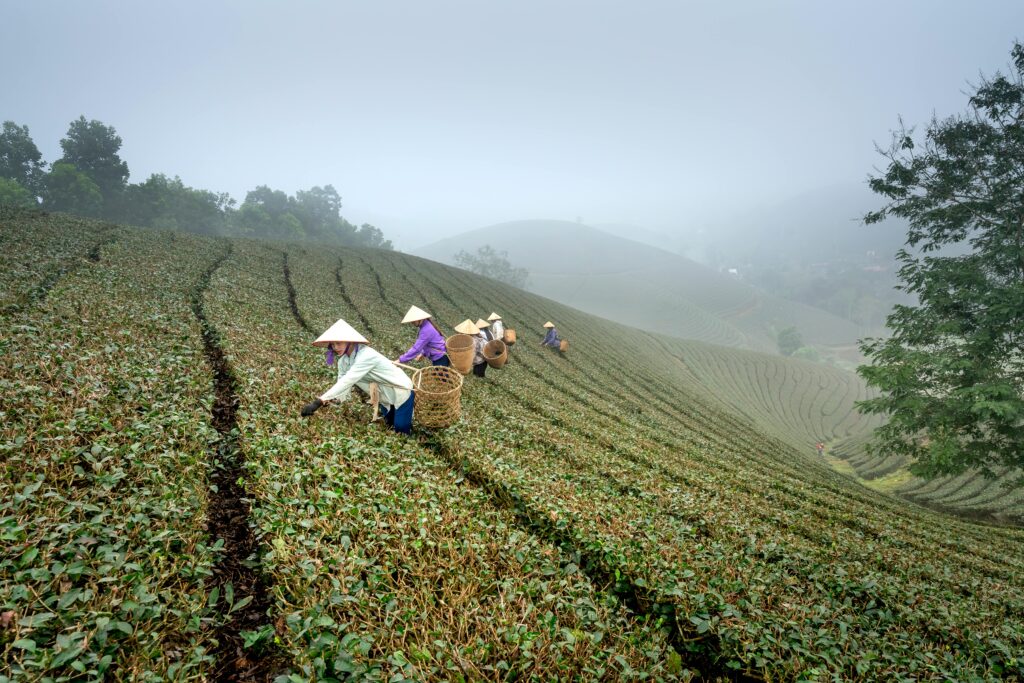
When we think of Assam, we often picture vast green tea estates stretching to the horizon, with mist rising over the Brahmaputra and women in colorful attire plucking tea leaves into bamboo baskets. While this is the image showcased in postcards and advertisements, the real essence of Assam’s tea culture lies deeper in the hidden tea villages.
These are small, lesser known settlements within tea estates, where generations of tea workers live, celebrate, and preserve traditions that outsiders rarely get to see. Exploring these tea villages provides not just a travel experience, but also an intimate look into Assam’s cultural and social fabric.
Cultural Identity of the Tea Tribe Community
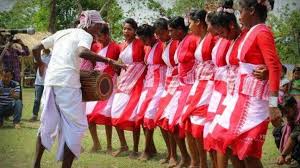
The tea tribes of Assam are culturally distinct. Their practices combine influences from Jharkhand, Odisha, Chhattisgarh, and indigenous Assamese traditions.
- Festivals – The biggest festival is Karam Puja, dedicated to the Karam tree, symbolizing fertility and prosperity.
- Dance & Music – The Jhumur dance is performed in groups, accompanied by drums, flutes, and folk songs.
- Food – Apart from rice and curry, a staple drink is strong “chai” brewed with milk, sugar, and sometimes jaggery.
Tea Tourism Beyond the Estates
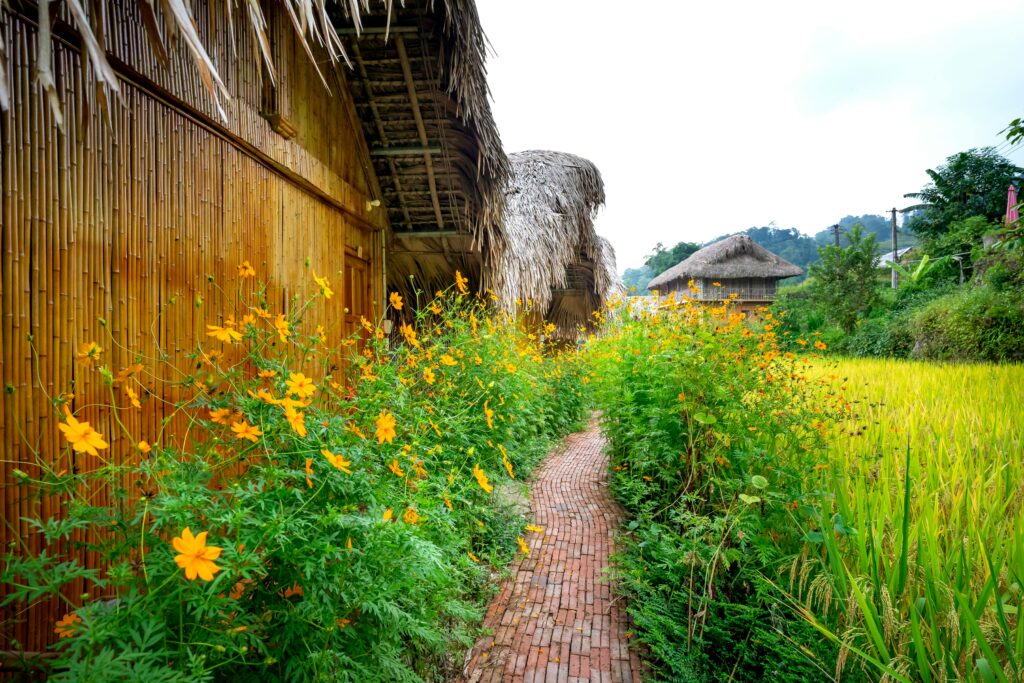
Most tourists only visit famous estates like Halmari, Mangalam, or Assam Tea Museum in Jorhat .But if you explore deeper, you’ll find:
- Nagrijuli Villages (Baksa district) – Situated near Bhutan hills, with panoramic landscapes and tribal communities who welcome travelers with folk dances.
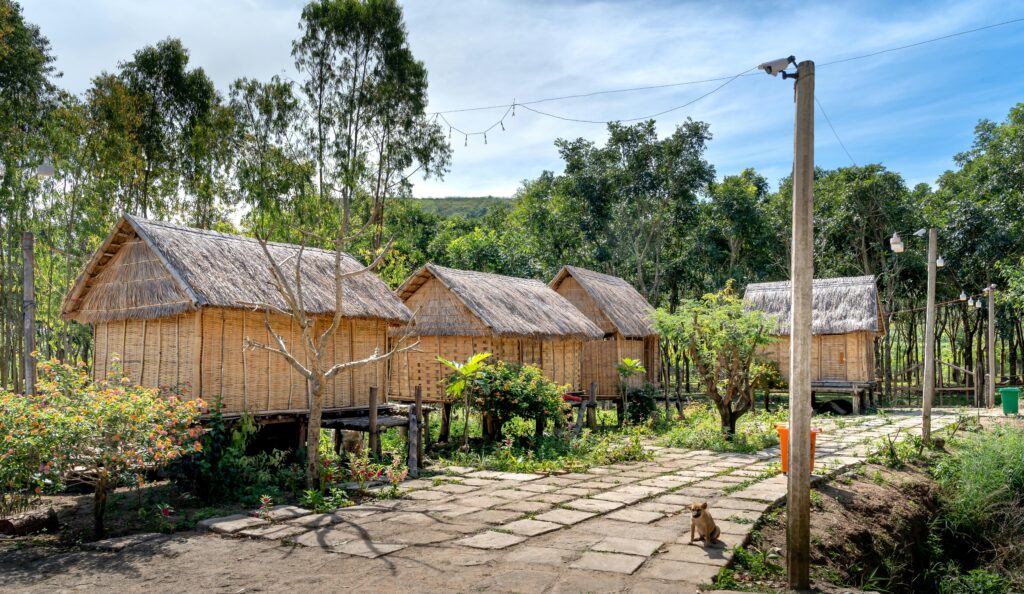
- Dibrugarh’s Worker Settlements – Dibrugarh is called the “Tea City of India,” but the real magic lies in small surrounding villages where you can live in homestays.
- Margherita Tea Villages (Tinsukia) – Blend of tea culture and coal mining history, with fascinating local stories.
Challenges Faced by Tea Villages
Travel Tips
- Visit between October–April, when the weather is cool.
- Carry cash—villages often don’t have ATMs.
- Ask permission before taking photos.
- Support local artisans by buying their handmade crafts.
- If you are interested in culture, don’t miss our post on Assam
Just Explore Assam Tea
FAQs
Q: Are tea villages safe for tourists?
Yes, tea villages are welcoming and safe, but always go with a local guide.
Q: Can I stay overnight in a tea village?
Yes, some homestays allow travelers to live with tea worker families.
Q: How is village life different from estate tourism?
Estate tours show plantations; village stays show real human stories behind tea.
Assam is world-famous for tea, but the soul of Assam’s tea lies in its villages. By exploring hidden tea settlements, you discover resilience, culture, and humanity that no tea estate brochure can capture. This is where tea becomes more than a drink it becomes a way of life.
Wandernest is proudly powered by WordPress